
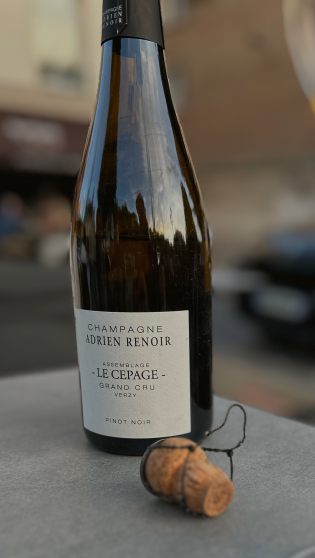
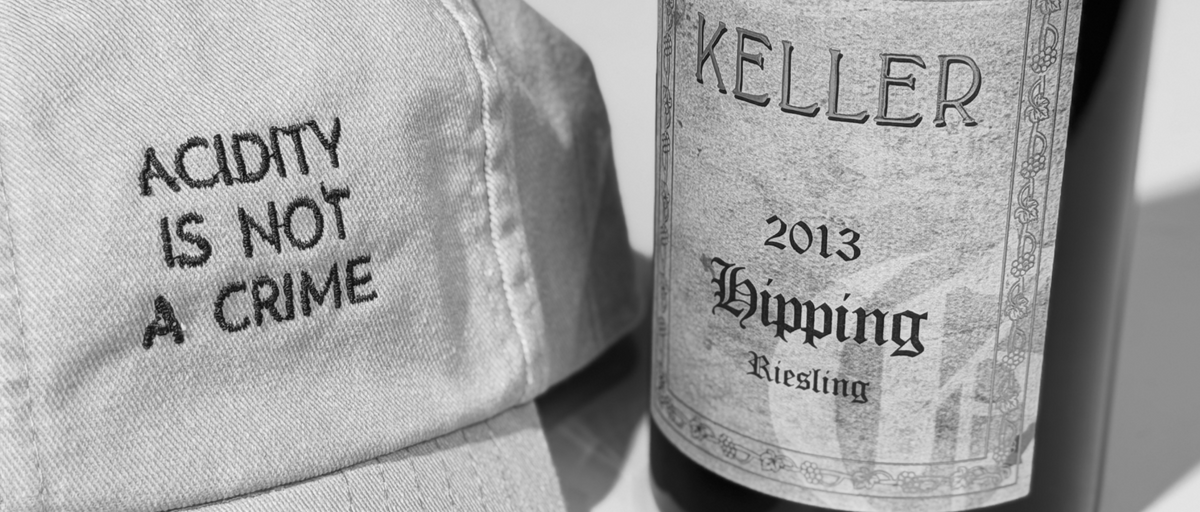
Acidity is not a crime!
In wine, acidity is often misunderstood. For some drinkers, it sounds harsh. Too sharp, too lean, too difficult. But acidity is not the enemy of pleasure. In many of the world’s greatest wines, it is the reason they feel alive. Acidity gives wine freshness, tension, lift and ageing potential. It sharpens the fruit, carries the aromas, balances richness and makes you want another sip. Without it, many wines become flat, heavy or tiring. With it, even powerful wines can remain elegant. At Peak Wines, we often look for wines with energy. Not thin wines. Not aggressive wines. But wines with a clear line running through them. Wines that hold themselves upright. Wines that feel precise, balanced and complete. That line is often acidity.
What acidity actually does in wine
Acidity is one of the structural pillars of wine, together with alcohol, tannin, fruit concentration, sugar and texture. When you taste acidity, you feel it mostly on the sides of your tongue and through salivation. A wine with good acidity makes your mouth water. It refreshes the palate and gives the wine momentum.
Acidity affects wine in several ways:
It makes fruit taste brighter. It balances alcohol and sweetness. It gives structure to white wines. It keeps sparkling wine fresh. It helps red wines feel lifted rather than heavy. It supports ageing. It makes wine more useful at the table.
A wine without enough acidity can feel broad, soft, warm or dull. The fruit may be ripe, the texture may be generous, but the wine can lack definition. It sits in the glass instead of moving through it. A wine with good acidity does not necessarily taste sour. The best examples feel integrated. They are fresh, but not sharp. Energetic, but not nervous. Precise, but still pleasurable.
Acidity in winemaking
Acidity starts in the vineyard. As grapes ripen, sugar levels rise and acidity generally falls. This is one of the central tensions of winegrowing: pick too early and the wine may taste green or thin; pick too late and the wine may become alcoholic, soft or heavy.
The best growers are not simply chasing ripeness. They are searching for balance. In cooler regions, acidity is naturally higher. Champagne, Chablis, Burgundy, Galicia, parts of Rioja, Alto Adige and many high-altitude sites have a natural advantage here. The wines can ripen slowly while preserving freshness.
In warmer regions, acidity becomes more difficult to retain. This is one reason why altitude, old vines, careful canopy management and earlier picking are becoming increasingly important. In Tuscany, parts of Spain and even Barolo, the best producers are often those who manage to achieve ripe tannins and flavour without losing the wine’s freshness. In the cellar, acidity also shapes decisions. Malolactic fermentation, for example, converts sharper malic acid into softer lactic acid. This can make a wine feel rounder and creamier. It is common in many red wines and also in some white wines, especially Burgundy. But a producer may block or limit malolactic fermentation when they want to preserve more tension. Oak ageing can also change how acidity feels. New oak, lees ageing and bâtonnage can add texture, creaminess and weight, softening the perception of acidity. Stainless steel, concrete or large old casks often preserve a cleaner, more direct line.

Sparkling wine needs acidity
No category depends on acidity more than sparkling wine. Champagne without acidity would not be Champagne. The bubbles, lees ageing and dosage all need freshness to stay balanced. Acidity gives Champagne its drive, its elegance and its ability to age.
In young Champagne, acidity can feel direct and vibrant. In great bottles, especially from Chardonnay-dominant villages in the Côte des Blancs, it can feel chalky, saline and almost electric. That freshness is what allows the wine to develop notes of brioche, hazelnut, cream, citrus peel and toast without becoming heavy.
Blanc de Blancs from villages such as Le Mesnil-sur-Oger, Avize, Cramant and Oger often shows this beautifully. The best wines can be extremely precise in youth, but with time they become more layered while keeping their mineral backbone.
Pinot Noir-based Champagnes from the Montagne de Reims or the Aube often bring more body and fruit, but they still need acidity. Without it, they would lose the tension that makes Champagne gastronomic rather than simply rich.
Dosage is also part of the balance. A Brut Nature Champagne with very high acidity can feel severe if the fruit and texture are not strong enough. A Brut Champagne with a little dosage can feel perfectly dry if the acidity is strong. Sugar and acidity are not enemies. They are counterweights.
This is why great Champagne is rarely just about bubbles. It is about balance under pressure.
White wine lives through acidity
For white wine, acidity is often the main structural element.
Red wines have tannin. White wines usually do not. That means acidity has to carry much of the wine’s shape. It gives white wine length, freshness and definition.
Think of white Burgundy. A great Meursault or Puligny-Montrachet can have richness, oak, lees, ripe fruit and texture. But without acidity, it becomes heavy. The best examples work because there is tension underneath the generosity.
Chablis takes this even further. The combination of cool climate, limestone soils and Chardonnay creates wines where acidity and minerality are central to the identity. They can feel lean in youth, but with time that acidity allows them to develop depth without losing clarity.
Spanish white wines are another excellent example. Albariño from Galicia, Godello from Bierzo or Valdeorras, white Rioja, Remelluri Blanco, Viña Tondonia Blanco and other serious Spanish whites often combine freshness with texture. Many of them come from regions where altitude, Atlantic influence or old vines help preserve acidity even in a sunny country.
This is part of what makes Spanish whites so compelling. They can have flavour and presence, but still feel alive.
In white wine, acidity is not a flaw. It is often the reason the wine works.
Red wine needs acidity too
Acidity in red wine is less obvious than tannin, but just as important. Tannin gives grip. Acidity gives lift.
A red wine with ripe fruit, strong tannins and high alcohol but low acidity can feel heavy. It may impress at first, but quickly becomes tiring. A red wine with good acidity feels more vertical. It refreshes the palate, keeps the fruit bright and makes the wine better with food.
Nebbiolo is one of the great examples. Barolo and Barbaresco are known for tannin, perfume and ageing potential, but their acidity is equally important. It is what keeps the wines from becoming simply powerful. In great Nebbiolo, acidity carries the rose, cherry, tar, spice and earthy complexity across decades.
That is why mature Barolo can be so beautiful. The tannins soften, the fruit becomes more savoury, but the acidity keeps the wine alive.
Sangiovese works in a similar way. Brunello di Montalcino, Chianti Classico and many great Tuscan reds need acidity to balance their fruit, tannins and sometimes higher alcohol. A good Sangiovese should have a savoury, mouthwatering quality. It should work with food. Tomato, olive oil, grilled meat, herbs, aged cheese, these pairings make sense because acidity links the wine to the table.
Rioja also depends on acidity, especially in traditional styles. Long ageing in oak can bring notes of vanilla, leather, dried fruit, tobacco and spice, but the wine only remains elegant if the acidity is still present. The best mature Rioja has softness and freshness at the same time. That contrast is part of its magic.
Burgundy, of course, is another essential example. Pinot Noir without acidity loses its perfume and grace. In the best wines, acidity gives red Burgundy its delicacy, transparency and length. It is the reason the wine feels detailed rather than broad.

Which wines desperately need acidity?
Some wines can tolerate lower acidity because they have other forms of balance. Rich dessert wines, powerful reds or very textured whites may rely on sugar, tannin or extract.
But certain wines need acidity to survive.
Champagne and sparkling wine need acidity because bubbles, lees and dosage require freshness.
Sweet wines need acidity because sugar without acidity becomes cloying. This is why great Riesling, Sauternes, Tokaji and Vin Santo can age so well. Sweetness gives richness, acidity gives balance.
White Burgundy needs acidity because richness, oak and lees need a counterweight. Barolo and Barbaresco need acidity because Nebbiolo’s tannin and aromatic complexity need lift. Sangiovese needs acidity because the wine is built for food and savoury freshness. Rioja needs acidity because long ageing only works if the wine remains alive. Rosé needs acidity because it is often served fresh, with food, in warm weather. Without acidity, rosé becomes simple and flat. In other words: acidity is not only important for sharp white wines. It is essential for almost every serious category of wine.
How acidity is balanced
Good acidity is never isolated. It has to be balanced by the rest of the wine. Fruit concentration softens acidity. Alcohol can add warmth and body. Sugar can round sharp edges. Lees ageing can bring creaminess. Oak can add texture and spice. Tannin can give structure in red wines. Bottle age can integrate everything.
This is why two wines with similar acidity levels can taste completely different. A young Blanc de Blancs Champagne with low dosage may feel intense and linear. A German Riesling with residual sugar may have even higher acidity, but taste beautifully balanced because the sweetness and fruit absorb it. A Barolo may have high acidity, but the tannin, alcohol and fruit create a different sensation.
Balance is not a number. It is a relationship. That is also why acidity should not be judged too quickly. Some wines feel sharp when served too cold. Others need air. Young wines with strong acidity may seem austere at first but become more expressive after an hour in the glass. A wine can be acidic and balanced. It can also be low in acidity and balanced. The question is whether the structure supports the style.
When acidity becomes a problem
Of course, acidity can go wrong. If a wine lacks fruit, texture or depth, acidity can feel sour. If the grapes were picked too early, the wine can taste green, thin or hard. If the winemaking is too severe, the wine can feel more like a concept than a pleasure. There is a difference between freshness and austerity.
At Peak Wines, we do not look for acidity for its own sake. We look for energy. A wine should still give pleasure. It should have flavour, texture and balance. It should make sense in the glass and at the table. Sharpness alone is not quality. But freshness, when integrated, is one of the clearest signs of life in wine.
Climate, ripeness and the future of acidity
In many wine regions, preserving acidity is becoming one of the great challenges.
Warmer seasons can bring riper fruit, higher sugar levels and higher potential alcohol. That can create generous and accessible wines, but it can also make balance harder to achieve. If acidity falls too quickly, winemakers must decide whether to pick earlier, accept higher alcohol, change vineyard practices or rethink style.
This is especially important in classical regions. Champagne needs freshness to remain Champagne. Burgundy depends on finesse. Barolo and Barbaresco need enough acidity to age. Tuscany needs Sangiovese to stay savoury and food-friendly. Rioja needs balance if the wines are to develop gracefully. The best producers are already adapting. They work with canopy management, earlier picking, altitude, old vines, soil health, larger vessels, lighter extraction and more careful élevage. The goal is not to make thin wines. The goal is to preserve balance in a warmer world. Acidity is becoming not just a stylistic choice, but a measure of resilience.
How to taste acidity
The easiest way to recognise acidity is to pay attention after swallowing. Does your mouth water? Does the wine feel fresh? Does the fruit stay bright? Does the finish feel lifted? Do you want another sip?
Then compare that with wines that feel softer or warmer. A low-acid wine often feels rounder, broader and less refreshing. It may have charm, but it may fade quickly. Try tasting a Champagne, a white Burgundy, a Barolo, a Chianti Classico and a Rioja side by side over time. The forms of acidity will feel different. Champagne may feel chalky and electric. Burgundy may feel citrus-driven and mineral. Barolo may feel lifted beneath tannin. Sangiovese may feel savoury and mouthwatering. Rioja may feel elegant and quietly persistent. Acidity is not one sensation. It has many expressions.
The Peak Wines view
We believe acidity is one of the great virtues in fine wine. Not because wine should be difficult. Not because freshness is more important than pleasure. But because the best wines need movement. They need life. Acidity helps a wine age, but it also helps it drink. It keeps Champagne precise, Burgundy elegant, Barolo alive, Tuscany savoury and Rioja graceful. It turns richness into balance and structure into refreshment.
So no, acidity is no crime. In the right wine, it is the reason everything else makes sense.
Follow us on Instagram
Go to profile


Free insured shipping
On all orders over 190€

Quality guarantee
14 days returns for unopened bottles
Preserved wines
Climate controlled warehouse

Free storage
For all those without a wine cellar