
Wine aging vessels: what they do, how they taste
Barrels, tanks, eggs, amphorae. The vessel a winemaker chooses shapes texture, aroma, and the way a wine ages in your glass. Think of it as the brush behind the picture. Below is a clear guide to the main options, what they add, and how to spot their fingerprints when you taste.
Oak barrels
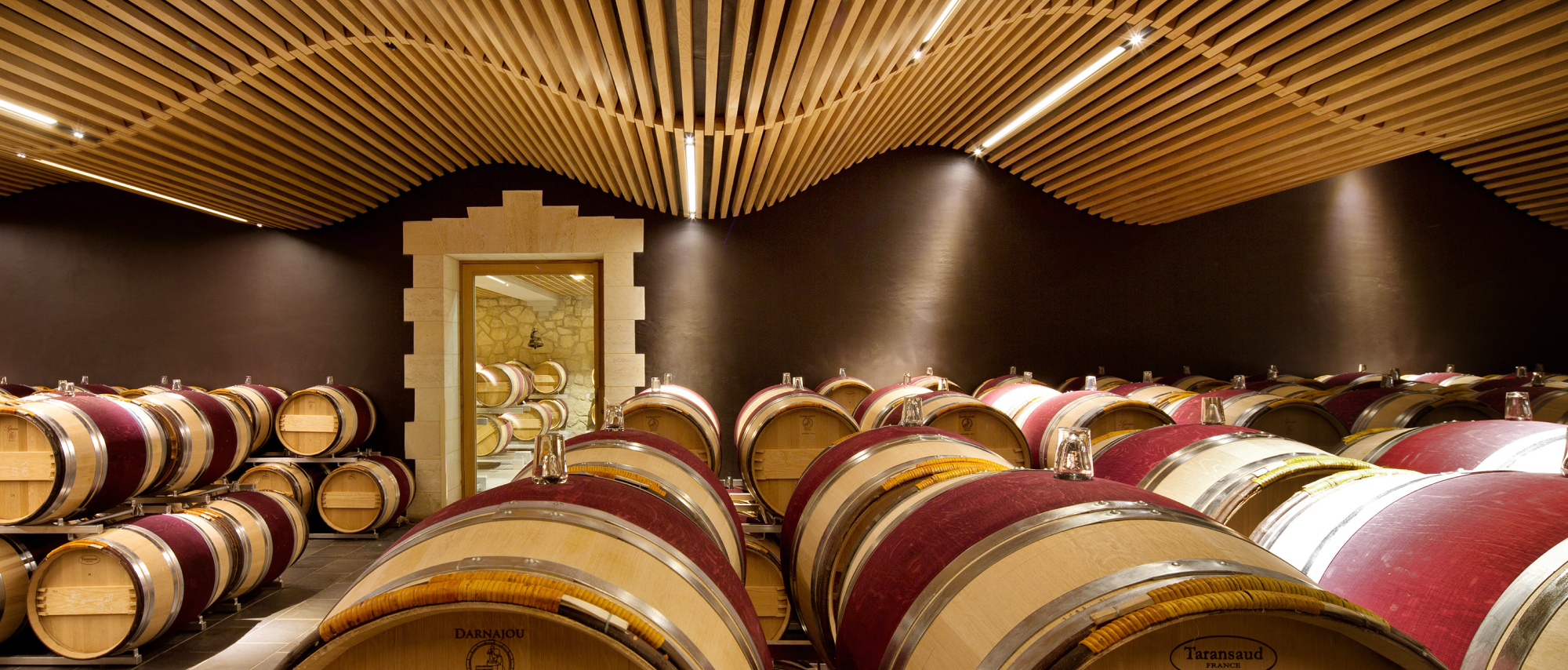
Oak is the classic tool. It does two things at once: it lets a slow trickle of oxygen soften texture, and it can add flavor when the wood is new.
- French oak tends to read as spice and toast with a finer grain. Expect cinnamon, clove, smoke, and structure that feels composed.
- American oak leans richer and more extroverted. Think vanilla, coconut, sweet spice.
- Barrel size matters. Smaller barriques imprint more flavor. Larger formats mute the oak and focus the wine.
Taste cues: layers of spice, a rounder mid-palate, longer finish. Regions that use it well include Bordeaux, Burgundy, Rioja, Ribera del Duero, Barolo for élevage, and many top New World estates such as Napa Valley (California), Mendoza (Argentina) and Barossa Valley (South Australia). Oak should frame the fruit, not bury it. If wood is the first thing you smell, the élevage is leading the wine rather than supporting it.
Stainless steel
Steel is the neutral lab coat. It adds no flavor and blocks oxygen pickup. The result is clarity.
- Preserves acidity and primary fruit.
- Ideal for early drinking whites and rosés, and for aromatic grapes like Riesling and Sauvignon Blanc.
- Also useful for the fruit portion of blends that later age in wood.
Taste cues: citrus zing, precise aromatics, clean lines. If you love energy and transparency, you will enjoy steel-raised wines.
Concrete tanks and eggs
Concrete sits between oak and steel. It is neutral in flavor but very slightly porous, which allows gentle micro-oxygenation. Egg shapes encourage a natural, continuous movement of the liquid, keeping lees in suspension without heavy stirring.
- Texture becomes rounder without wood imprint.
- Minerality often feels clearer: whites gain a subtle creaminess while staying fresh.
- Widely used in Europe and by quality-focused New World producers.
Taste cues: a silkier mouthfeel than steel, more depth than pure tank, no overt spice. Think fine Chardonnay or Rhône varieties that need shape but not seasoning.
Clay amphorae and qvevri
Clay is ancient and has returned to modern cellars for specific reasons. It breathes even more gently than concrete and contributes an earthy, textural feel without adding flavor. We focus on fine wines raised in clay with precision rather than on orange-wine styles.
- Allows slow oxygen exposure and steady temperatures.
- Can emphasize tannin texture in reds in a clean, savory way.
- Seen in careful producers across Italy, Spain, Austria, and Georgia.
Taste cues: a tactile, dry finish, savory edges, and fruit that feels shaped rather than sweetened. When done well, clay gives definition without perfume from wood.
Large wooden vats and foudres
These are huge casks from 1,000 to 5,000 liters or more. Because the surface area to volume is small, oak flavor is minimal while the micro-oxygenation of wood remains.
- Classic in Barolo, Alsace, Austria, and Germany.
- Perfect when the goal is terroir purity with just enough air to knit structure.
Taste cues: lifted aromatics, firm but civil tannins, very little toast or vanilla. If you love site expression, large casks are your friend.
Glass
Glass is airtight. No oxygen exchange. That makes it either a pure neutral resting place or a deliberate way to hold wines without change.
- Used for sparkling on lees, sweet wines, and occasional experimental lots.
- Sometimes allows oxidative resting if bottles are stored in light or warmth on purpose. Think traditional Vin Jaune prep or old-school dessert wines.
Taste cues: pristine primary fruit when preserved, or nutty complexity if the producer chooses controlled oxidative rest.
How vessels change what you feel
The vessel sets the pace of evolution and the frame of flavors.
- Oak brings spice and structure. It rounds edges and adds length.
- Steel preserves freshness and line.
- Concrete builds texture and subtle creaminess without flavor.
- Clay adds a tactile, earthy grip with clean aromatics.
- Large casks deliver transparency with gentle polish.
- Glass either freezes a moment in time or supports special aging choices.
None is “better” on its own. The right match depends on grape, site, and style.
Reading labels and tech sheets
You can often decode élevage from a few lines.
- “Aged 12 months in French oak, 30% new.” Expect spice and shape, not dominance.
- “Stainless steel only.” Expect freshness and straight lines.
- “Concrete eggs.” Expect texture and quiet depth.
- “Amphorae and qvevri.” Expect savory definition and a dry, clean finish.
- “Large foudres.” Expect purity and low oak imprint.
When in doubt, ask us. We preview and taste before we list, and we write notes that translate the tech into what you will feel in the glass.
Buying and pairing tips
- Love Chardonnay with tone and precision rather than heavy toast. Look for concrete or large-cask élevage, or modest new oak under 25 percent.
- Prefer red fruit and perfume in Pinot. Seek older barrels, large casks, or partial concrete to keep the wood quiet.
- Want Bordeaux with drive. New oak can be your ally when kept in balance. The best estates integrate it so the finish stays fresh.
- Crisp seafood nights. Stainless-raised whites keep citrus and salinity intact.
- Savory red meats and game. Clay or large cask Nebbiolo and Sangiovese deliver dry mineral tension that cuts through richness.
A quick cheat sheet to taste
- If you smell vanilla and toast first, think small barrels and some new oak.
- If the fruit leaps out and the finish is laser clean, think stainless steel.
- If the mid-palate feels round without spice, think concrete.
- If the finish is dry and tactile with a savory edge, think clay.
- If everything feels integrated and calm, with very little wood tone, think large cask.
- If purity is absolute or the wine shows deliberate nutty notes despite no oak markers, think glass decisions.
Our stance at Peak Wines
We back craftsmanship and clarity. We list wines where the vessel serves the vineyard. You will find thoughtful oak, precise concrete, and clean steel. We feature clay when it delivers finesse rather than fashion. The constant is simple. The glass must taste honest, balanced, and alive.
If you want recommendations by vessel style, tell us how you like texture and aroma. We will point you to bottles that fit your palate, not a trend.
Follow us on Instagram
Go to profile


Free insured shipping
On all orders over 190€

Quality guarantee
14 days returns for unopened bottles
Preserved wines
Climate controlled warehouse

Free storage
For all those without a wine cellar