
Barolo & Piedmont Buying Guide
How to understand Nebbiolo, the villages, the styles and what to drink when
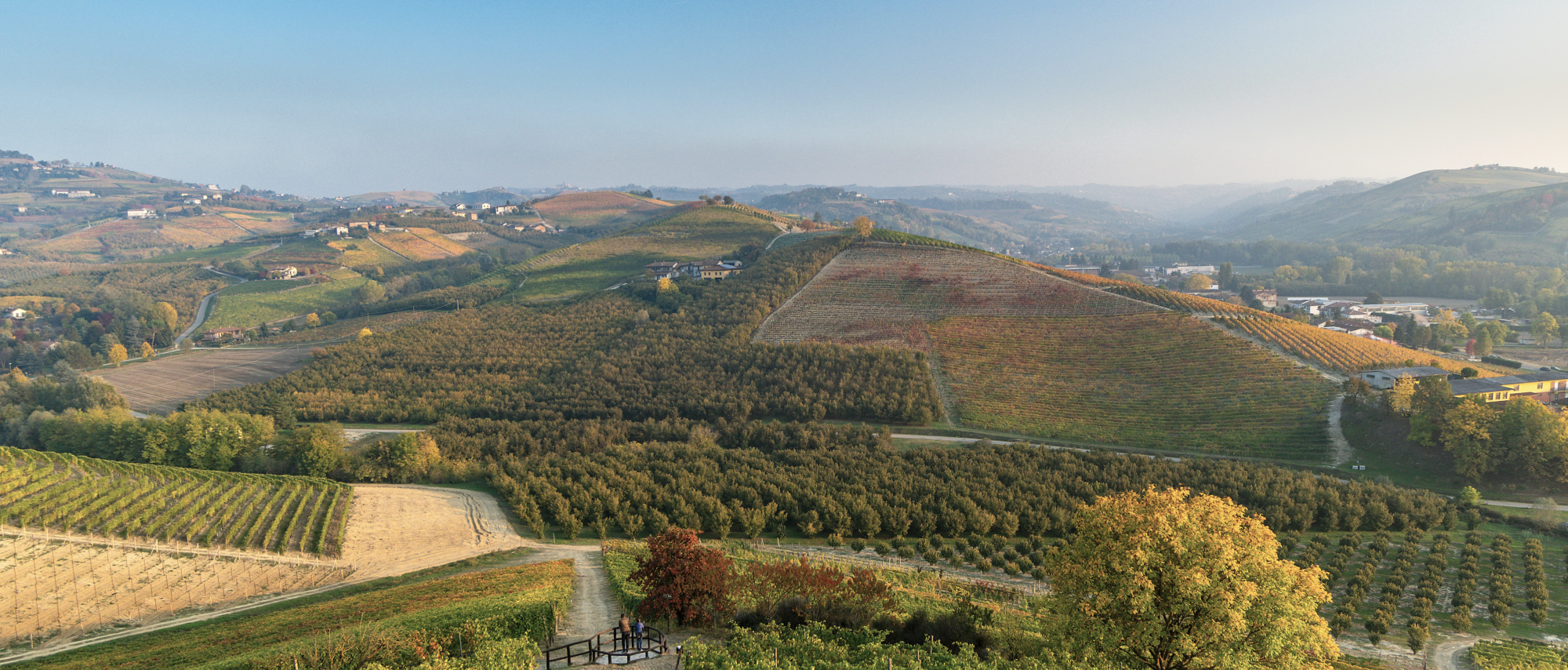
Piedmont is one of the great wine regions of the world. It is often introduced through Barolo and Barbaresco, but that only tells part of the story. This is a region of hills, altitude, fog, old cellars, small villages and patient winemaking. It produces some of Italy’s most age-worthy red wines, but also some of its most enjoyable everyday bottles: Barbera, Dolcetto, Langhe Nebbiolo, Alto Piemonte reds, Timorasso and more.
At Peak Wines, Piedmont has become one of our deepest and most personal categories. Our current selection includes more than 100 Piedmont wines, ranging from legendary Barolo producers to smaller estates, Alto Piemonte discoveries, Barbera, Dolcetto, Timorasso and mature bottles. The assortment includes names such as Bartolo Mascarello, Roagna, Crissante Alessandria, Roberto Voerzio, Cesare Bussolo, Chiara Boschis, Massolino, Burlotto, Tenute Vercellino, Jérémy Recchione and others.
This guide is written to help you understand what to buy, when to drink it and how to get the most from these wines.
Why Piedmont matters
Piedmont sits in northwestern Italy, close to the Alps. The name means “at the foot of the mountains”, and that matters. The climate is continental, with warm summers, cold winters and important day-night temperature shifts. In the best sites, this gives grapes both ripeness and freshness.
The most famous grape is Nebbiolo. It is one of the world’s most transparent and demanding red varieties. It can look pale in the glass, but it often carries enormous structure. The aromas are unmistakable: rose, cherry, orange peel, tar, liquorice, dried herbs, truffle and earth. With age, Nebbiolo becomes one of the most complex grapes in the world.
But Piedmont is not only Nebbiolo. Barbera gives juicy, energetic reds with bright acidity. Dolcetto is softer, fruitier and more immediate. Timorasso has become one of Italy’s most exciting white grapes, producing structured, mineral and age-worthy whites. In Alto Piemonte and Coste della Sesia, Nebbiolo is sometimes blended with grapes such as Vespolina and Croatina.
The beauty of Piedmont is that you can drink it on many levels. You can open a fresh Dolcetto on a weekday, serve Barbera with pasta, drink Langhe Nebbiolo slightly young, or keep serious Barolo for 20 years.
Barolo: the king of Piedmont
Barolo is made from 100% Nebbiolo and comes from a group of villages in the Langhe. It is often called “the king of wines”, and while that phrase is overused, the reputation is deserved when the wines are great.
Barolo combines perfume, tannin, acidity and ageing potential. It is rarely soft in youth. Even elegant Barolo can feel firm when young, because Nebbiolo naturally has high tannin and high acidity. This is why Barolo is one of the ultimate cellar wines.
Classic aromas include:
Rose and violet, red cherry and wild strawberry, orange peel, tar and liquorice, leather and tobacco, truffle, dried herbs and forest floor with age
The best Barolo is not about heaviness. It is about tension, depth and slow evolution.

The main Barolo villages and their styles
The villages of Barolo matter. This is not just romantic storytelling. Soil, altitude, exposure and village tradition strongly influence the final style.
La Morra
La Morra is often associated with elegance, perfume and softer tannins. These wines can be more accessible in youth, though the best examples still age beautifully. La Morra Barolo often shows lifted red fruit, rose, spice and a graceful texture.
This is where producers such as Crissante Alessandria and Roberto Voerzio become especially interesting. Crissante can show the refined, approachable side of La Morra, while Voerzio brings extraordinary concentration and precision.
Buy La Morra if you like Barolo with finesse, perfume and polish.
Barolo
The village of Barolo itself often sits between elegance and structure. Wines from here can show classic Nebbiolo aromatics, good depth and a balanced profile. They are often less austere than Serralunga, but more structured than the softest La Morra examples.
Producers such as Bartolo Mascarello represent the traditional heart of the region. These are wines built on blend, balance and long ageing rather than single-vineyard exaggeration.
Buy Barolo village wines if you want the classical middle ground of the appellation.
Serralunga d’Alba
Serralunga is known for structure, power and longevity. The soils often produce Barolo with firm tannins, darker fruit, iron, spice and a serious backbone. These wines usually need time.
If La Morra is silk, Serralunga is architecture. Massolino wines are a perfect example of this style, combining finesse with structure.
Buy Serralunga if you want Barolo for the cellar, with grip, depth and long ageing potential.
Monforte d’Alba
Monforte often produces powerful, intense and structured Barolo. The wines can be dark, muscular and savoury, with firm tannins and impressive length.
Producers working with Monforte fruit often create wines that need patience but reward it with great complexity.
Buy Monforte if you want depth, seriousness and a more robust expression of Nebbiolo.
Castiglione Falletto
Castiglione Falletto often combines perfume and structure. It can produce Barolo with aromatic elegance but also a firm core. It is one of the most complete villages stylistically.
Buy Castiglione Falletto if you want balance: floral Nebbiolo with enough structure for ageing. Monprivato from Mascarello is a prime example of this terroir.
Barbaresco: elegance, but not simplicity
Barbaresco is also made from Nebbiolo, but the wines are often described as more elegant and approachable than Barolo. That is partly true, but it can be misleading. Great Barbaresco can age for decades and can be just as profound.
Barbaresco often shows:
Rose and red cherry, spice and dried herbs, softer tannins than many Barolos, earlier drinkability, strong aromatic detail.
The main villages are Barbaresco, Neive and Treiso. Broadly speaking, Barbaresco can be elegant and classic, Neive can bring more power and structure, and Treiso can show lift and freshness.
In our selection, Roagna is a key name for serious, age-worthy Barbaresco. These are not simple wines. They are traditional, structured and built for patience.
Buy Barbaresco if you want Nebbiolo with elegance, detail and slightly earlier accessibility than the most powerful Barolos.

Langhe Nebbiolo: the smart way into Nebbiolo
Langhe Nebbiolo is one of the best ways to understand the grape without immediately entering Barolo or Barbaresco prices.
These wines are usually:
Younger vines, declassified fruit, shorter ageing, more approachable tannins, fresher, brighter and more immediate.
A good Langhe Nebbiolo can deliver rose, cherry, spice and Nebbiolo structure in a more relaxed format. It is often the bottle you should open while waiting for your Barolo to mature.
This category is also useful for discovering producer style. If a producer makes a Langhe Nebbiolo with precision, balance and energy, there is a good chance their Barolo or Barbaresco will be worth attention too.
Drink Langhe Nebbiolo with: roast chicken, veal, mushrooms, lighter beef dishes, tajarin, risotto and charcuterie.
Barbera & Dolcetto: freshness, fruit and food
Barbera is one of Piedmont’s most useful grapes. It has naturally high acidity, relatively low tannin and generous fruit. This makes it excellent at the table.
Barbera can be simple and juicy, but serious producers can make deeply expressive wines with dark cherry, plum, spice and savoury complexity. Some see oak, some are kept fresher and more direct. Compared with Nebbiolo, Barbera is less tannic and more immediately generous. It is not usually about aristocratic structure. It is about energy, fruit and drinkability.
Drink Barbera when you want: A red wine with freshness, something for tomato-based pasta, pizza, ragù or grilled meats, a wine that does not need 15 years of patience.
Dolcetto is often misunderstood. The name suggests sweetness, but the wines are dry. Dolcetto usually has soft acidity, moderate tannin and a dark-fruited, slightly bitter finish.
It is the kind of wine Piedmontese producers might drink more casually. It is not meant to compete with Barolo. It serves a different purpose.
Expect: Black cherry, violet, almond bitterness, soft texture, easy drinkability. Though there are exceptions to this rule, serious Dolcettos.

Alto Piemonte and Coste della Sesia: the north returns
Before Barolo became globally dominant, parts of northern Piedmont were already highly respected. Regions such as Gattinara, Ghemme, Boca, Lessona, Bramaterra, Fara and Coste della Sesia produce Nebbiolo-based wines with a cooler, more alpine character.
Here, Nebbiolo is often called Spanna and may be blended with Vespolina or Croatina.
These wines are typically: lighter in colour, more lifted and mineral, fresher in acidity, less dense than Barolo, beautifully aromatic, often excellent value.
Producers such as Tenute Vercellino show why this area is so exciting. The wines can be refined, light on their feet, but still powerful in flavour. They are perfect for drinkers who love Nebbiolo but want something less heavy, less expensive and often more immediately drinkable.
White wines: unexpected gems
Timorasso is one of the most exciting white grapes in Italy today. Once almost forgotten, it has returned through producers who saw its potential for structure, minerality and ageing.
Unlike many simple Italian whites, Timorasso can have real depth. It often shows: citrus and stone fruit, herbs, almond, waxy texture, mineral tension, savoury depth with age.
It can feel somewhere between white Burgundy, mature Riesling and something distinctly Piedmontese. That combination makes it fascinating.
Other white grapes include Arneis and Chardonnay, which precision and laser-focused acidity.
Traditional vs modern Barolo
Barolo drinkers often talk about traditional and modern styles. The distinction is useful, but it should not be oversimplified.
Traditional Barolo
Traditional producers often use: longer macerations, large old botti, less new oak, longer ageing, blends of vineyards, though not always
The result can be more savoury, structured and slow to evolve. These wines often need patience but can become extraordinary with age.
Examples of the traditional spirit include producers such as Bartolo Mascarello and Roagna.
Modern Barolo
Modern producers may use: shorter macerations, smaller barrels, more polished extraction, more focus on single crus, earlier accessibility.
At their best, modern Barolos are not overdone. They combine precision, fruit purity and structure. Producers such as Roberto Voerzio show how modernity can still produce wines of balance and greatness.
The real question is not traditional versus modern. The question is: does the wine have balance, identity and ageing potential?
When should you drink Barolo?
This depends on vintage, producer, village and style. But as a general guide:
0–5 years after vintage
Most serious Barolo is too young. You can drink some approachable styles with a long decant, but expect tannin and primary fruit.
Best categories at this age:
- Langhe Nebbiolo
- Barbera
- Dolcetto
- lighter Alto Piemonte wines
- some softer La Morra Barolo
6–10 years after vintage
Barolo begins to open, especially in warmer or more accessible vintages. Tannins start integrating, but many serious bottles are still young.
Good for:
- village Barolo
- approachable crus
- Barbaresco
- structured Langhe Nebbiolo
- selected modern-style Barolo
10–20 years after vintage
This is often the sweet spot for high-quality Barolo and Barbaresco. Aromatics deepen, tannins soften and tertiary notes appear.
Expect:
- dried rose
- truffle
- leather
- tobacco
- spice
- more savoury depth
20+ years
Great Barolo can be magical at this stage. But storage matters. Poorly stored Nebbiolo can dry out. Well-stored bottles can become hauntingly complex.
Buy mature Barolo only from trusted sources.
How to buy Piedmont wines
If you are new to Piedmont
Start with:
- Langhe Nebbiolo
- Barbera d’Alba
- Dolcetto d’Alba
- Alto Piemonte reds
- approachable Barbaresco
These give you the aromatic world of Piedmont without the price or patience required for top Barolo.
If you already love Nebbiolo
Look at:
- Barolo from different villages
- Barbaresco from traditional producers
- Alto Piemonte for freshness and value
- older vintages when provenance is strong
Try comparing La Morra versus Serralunga, or Barolo versus Barbaresco.
If you collect wine
Focus on:
- top producers
- strong vintages
- serious crus
- correct storage
- buying before prices move further
Producers such as Bartolo Mascarello, Roberto Voerzio, Roagna, Chiara Boschis, Massolino and other top names are increasingly sought after.
If you want value
Look beyond the obvious. Some of the best value in Piedmont comes from:
- Barbera
- Dolcetto
- Langhe Nebbiolo
- Alto Piemonte
- Coste della Sesia
- Timorasso
- lesser-known producers in great villages
This is often where the most exciting discoveries happen.
Final advice
If you want one bottle for tonight, choose Barbera, Dolcetto, Langhe Nebbiolo or Alto Piemonte.
If you want something serious but approachable, choose Barbaresco or a refined La Morra Barolo.
If you want a bottle for the cellar, choose Barolo from a strong producer and a style you understand.
If you want to discover where Piedmont is going, look at Timorasso and northern Piedmont.
And if you open young Barolo, give it time. A long decant is not a detail. It can be the difference between a closed bottle and a great one.
Follow us on Instagram
Go to profile


Free insured shipping
On all orders over 190€

Quality guarantee
14 days returns for unopened bottles
Preserved wines
Climate controlled warehouse

Free storage
For all those without a wine cellar