
Champagne Buying Guide
Understanding the subregions, terroir and styles
Champagne is one of the most famous wine regions in the world, but also one of the most misunderstood. For many people, Champagne still means celebration, luxury and bubbles. But at its best, Champagne is much more than that. It is a serious wine region with remarkable terroir, distinct subregions, complex winemaking and some of the most exciting producers in the world today. The region combines a cool northern climate with chalky soils, long ageing on lees and a tradition of blending that is unlike almost anywhere else. The result can be bright, mineral and precise, but also powerful, vinous and deeply complex.
At Peak Wines, we see Champagne as one of the most dynamic fine wine regions right now. The great houses still produce legendary bottles, from mature prestige cuvées to age-worthy vintage Champagnes. But the new generation of grower producers has changed the conversation. More and more wines now focus on single villages, single vineyards, low dosage, organic farming and transparent terroir expression.
This guide explains the main subregions of Champagne, what they taste like, how to understand the styles, and what to buy depending on the moment.
Why Champagne is unique
Champagne lies in northern France, where ripeness was historically difficult to achieve. That cool climate is essential to the style. It preserves acidity, freshness and tension, giving the wines their energy and ageing potential. 8 grape varieties are allowed but the key grapes are Chardonnay, Pinot Noir and Pinot Meunier.
Chardonnay
Fresh, citrus-driven, mineral and precise. It dominates the Côte des Blancs and often gives Champagne elegance and longevity.
Pinot Noir
Structured, vinous and powerful. It brings red fruit, body and depth, especially in the Montagne de Reims and the Aube.
Pinot Meunier
Fruit-forward, supple and expressive. It is especially important in the Vallée de la Marne and gives charm, roundness and immediate pleasure.
Champagne’s identity also comes from secondary fermentation in bottle and ageing on the lees. This creates fine bubbles and adds aromas of brioche, toast, nuts, cream and pastry. The best Champagnes combine this autolytic depth with freshness and terroir clarity.
Discover our Champagne selection

The main subregions of Champagne
Montagne de Reims
The Montagne de Reims is one of Champagne’s most important areas, known especially for Pinot Noir. Despite the name, it is not a mountain range in the dramatic sense, but a broad, elevated area between Reims and Épernay. The soils are often chalk-rich, especially in the best villages, but there is also variation in clay, sand and limestone. Pinot Noir thrives here because the slopes and exposures help it ripen while retaining freshness. But don’t mistake the Montagne for just a Pinot Noir terroir, Chardonnay produces full bodied yet fresh and complex Champagnes here on the right parcels.
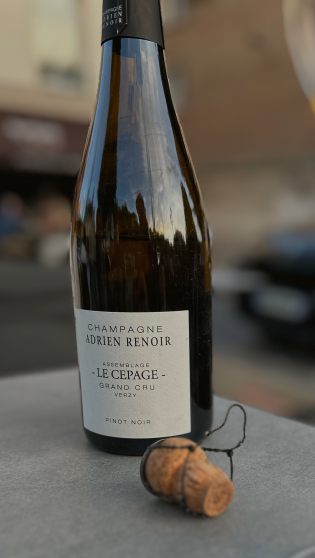
Important villages include Ambonnay, Bouzy, Aÿ, Verzenay, Verzy. The style can vary, but broadly speaking, Montagne de Reims Champagnes often show more structure, red fruit, depth and vinosity. Ambonnay and Bouzy tend to produce powerful, ripe Pinot Noir. Verzenay and Verzy can be more tense, mineral and refined.
Buy Montagne de Reims Champagne if you like wines with structure, depth and gastronomic power.
Vallée de la Marne
The Vallée de la Marne follows the Marne river and is historically the home of Pinot Meunier. The valley has more clay and marl in many places, and frost risk has traditionally made Meunier a logical choice because it buds later than Chardonnay and Pinot Noir. Meunier used to be seen as the simple, fruity grape of Champagne. That view is now outdated. In the right hands, it can produce wines of real depth, charm and identity.
Vallée de la Marne Champagnes often show ripe orchard fruit, yellow apple, plum and red berries, round texture, generosity, accessible fruit. But in de hands of new exiting producers zero dosage Meunier can also be clean & linear.
Buy Vallée de la Marne Champagne if you like expressive, fruit-driven and textural wines.
Côte des Blancs
The Côte des Blancs is the great home of Chardonnay in Champagne. This is where some of the region’s most precise, mineral and age-worthy wines are made. The name means “slope of the whites”, and the identity is clear: chalk, Chardonnay and tension.
Important villages include Avize, Cramant, Le Mesnil-sur-Oger, Oger, Chouilly, Vertus.
The pure chalk soils are central to the style. They store water, reflect light and give wines a distinct mineral drive. Blanc de Blancs from the Côte des Blancs can be razor-sharp in youth, but with time they develop layers of citrus, almond, brioche, cream, white flowers and saline depth.
The villages have different personalities. Le Mesnil is often the most linear and austere. Avize can combine chalky tension with more generosity. Cramant often gives creamy texture and elegance. Chouilly tends to be a little broader and more approachable.
Buy Côte des Blancs Champagne if you love precision, freshness, minerality and long ageing potential.
Côte de Sézanne
The Côte de Sézanne lies south of the Côte des Blancs and is also strongly associated with Chardonnay. It has long been slightly less famous, but that is part of its appeal. The wines can show some of the freshness and citrus profile of the Côte des Blancs, but often with a little more roundness, fruit and accessibility. The soils include chalk, but the expression is generally less severe than the most famous Côte des Blancs villages. Côte de Sézanne can offer excellent value when the producer is strong. It is a good place to look for Blanc de Blancs with freshness and charm without the same price pressure as the most famous Grand Cru villages.
Buy Côte de Sézanne Champagne if you want Chardonnay-driven Champagne with balance, brightness and approachable texture.
Côte des Bar / Aube
The Aube, also known as the Côte des Bar, lies much further south, closer to Chablis than to Reims. For a long time, it was considered peripheral. Today, it is one of the most exciting parts of Champagne. The soils here are very different from the chalk-dominated heart of the region. Much of the Aube is based on Kimmeridgian limestone, marl and clay, similar in spirit to Chablis. Pinot Noir dominates, and the wines often feel more vinous, generous and terroir-driven.
Important villages include Les Riceys, Celles-sur-Ource, Polisot, Buxeuil, Landreville.
The Aube has attracted many independent-minded growers. The region often produces Champagnes with more fruit, texture and individuality. They can feel less “classic house style” and more like still wine with bubbles. Producers such as Louise Brison show why this area deserves serious attention. The wines can combine ripeness, energy and a strong sense of place.
Buy Aube Champagne if you like grower Champagne, Pinot Noir depth, individuality and wines with a slightly more gastronomic feel.

Grower Champagne vs Champagne houses
One of the biggest shifts in Champagne today is the rise of grower producers. Traditionally, Champagne was dominated by large houses. These houses buy grapes from across Champagne and blend across villages, varieties and vintages to create a consistent house style. At the highest level, this can be extraordinary. Mature prestige cuvées and vintage releases from great houses can be among the world’s finest wines.
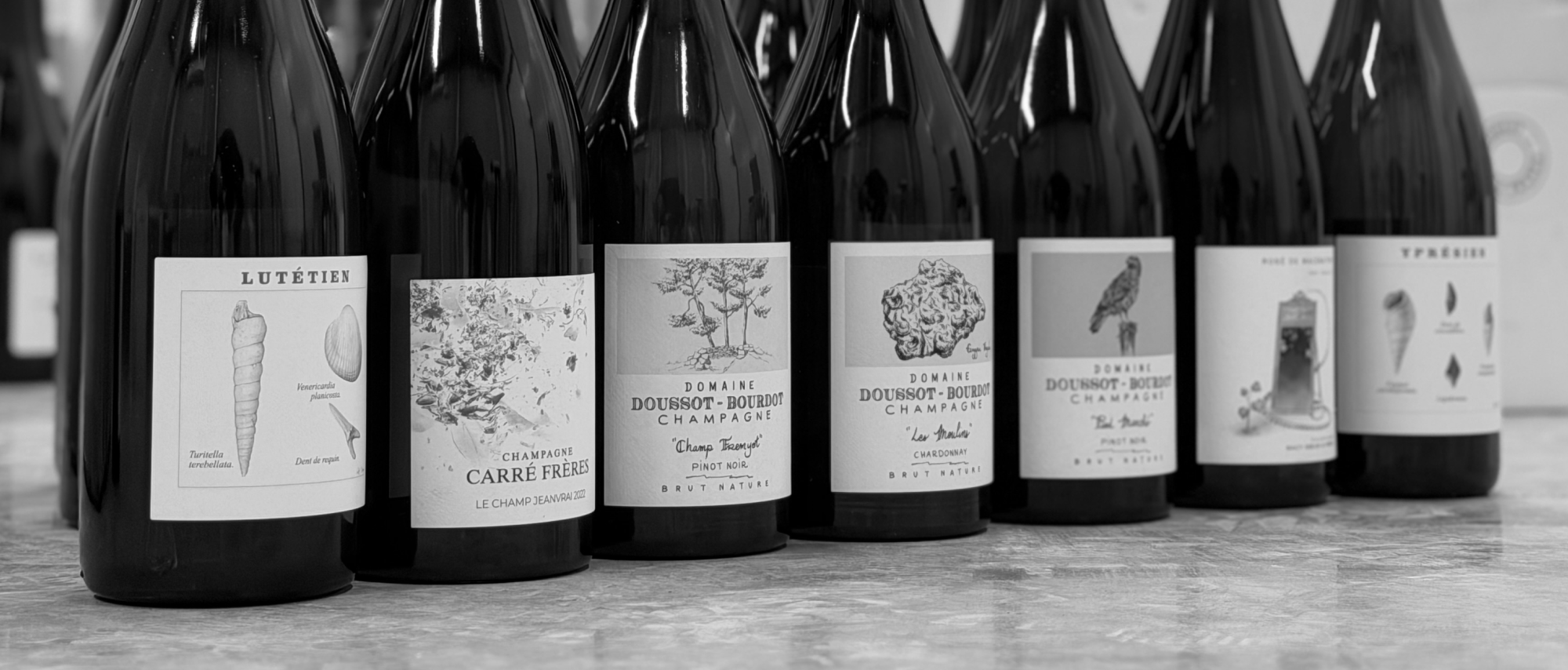
Grower Champagne works differently. These are producers who usually farm their own vineyards and make wine from their own grapes. The focus is often more specific: one village, one vineyard, one variety, one vintage, or a very personal interpretation of place.
Neither is automatically better. Peter Liem describes it as a grand orchestra vs a great solo artist, both deserve fame and recognition, it all depens on what you’re looking for. Great houses offer blending mastery, consistency and long-term cellar expertise. Great growers offer individuality, terroir and a more intimate view of Champagne.
At Peak Wines, we believe the most interesting Champagne selection includes both: legendary bottles from iconic houses and rising growers who show where the region is going.

Understanding Champagne styles
Blanc de Blancs
Made only from white grapes, almost always Chardonnay. These wines are often fresh, mineral, citrus-driven and elegant. From top sites, they can age beautifully. Choose Blanc de Blancs for freshness, seafood, aperitif moments and very long-term ageing.
Blanc de Noirs
Made from red grapes, usually Pinot Noir and/or Pinot Meunier. These wines tend to be broader, deeper and more powerful. Choose Blanc de Noirs for richer food, poultry, mushrooms and more vinous Champagne experiences.
Rosé Champagne
Rosé Champagne can be delicate and floral, but also serious, structured and gastronomic. The best examples are not just pink and festive. They have red fruit, texture and depth. Choose rosé Champagne with salmon, duck, charcuterie, veal, tuna, mild spices and romantic dinners.
Vintage Champagne
Vintage Champagne comes from one year and is only made when the producer believes the year deserves it. These wines often have more structure and ageing potential. Choose vintage Champagne if you want something more serious, cellar-worthy and expressive of a specific year.
Non-vintage / multi-vintage Champagne
These wines are blends of several years and are designed for balance and consistency. At the highest level, multi-vintage cuvées can be complex and profound. Choose non-vintage Champagne for versatility, reliability and everyday luxury.
Extra Brut and Brut Nature
These terms indicate lower dosage, meaning less sugar added after disgorgement. They can feel drier, more precise and more mineral, but they also require balance. Low dosage is not automatically better, sometimes even 1-2 grams can make a world of difference. The wine still needs enough fruit and texture. Choose lower dosage Champagne if you like tension, purity and a drier finish.
Mature Champagne
Mature Champagne can be extraordinary. Expect notes of brioche, hazelnut, dried citrus, honey, mushroom, toast and sometimes a gentle oxidative complexity. Great bottles can remain fresh for decades. If you drink mature Champagne, do not serve it too cold. Let it open slowly in the glass.
Serving Champagne properly
Serve most Champagne around 10°C, but not ice-cold. More serious or mature Champagnes often show better closer to 10 to 12°C. Use a proper wine glass rather than a narrow flute. A white wine glass allows the aromas to open and makes Champagne feel more like the serious wine it is. For young, structured grower Champagne, opening the bottle 15 to 30 minutes before drinking can help. Some vinous Champagnes even benefit from a short period in a carafe, though this should be done carefully.
Food pairing with Champagne
Champagne is one of the most versatile food wines in the world because it combines acidity, bubbles, texture and often savoury depth. In the region, it is completely normal to have a light style as an aperitif, to then pair a more full-bodied Pinot Noir from the Montagne with a main dish. And to then pair a sweeter style with dessert.

Peak Wines selection philosophy
Our Champagne selection is built around craftsmanship, energy and identity. We love the great houses when they show why they became great: aged Bollinger R.D., serious vintage releases and bottles with the depth that only time and experience can create. But we are even more excited by the new generation of growers shaping Champagne today.
Producers such as Louise Brison and Paul Gosset represent the kind of Champagne we believe in: wines with precision, character and a clear sense of place. These bottles are not just festive. They are gastronomic, thoughtful and deeply enjoyable.
For us, Champagne is not only about celebration. It is about terroir, texture, patience and the beauty of small details.
Discover our Champagne selection
Follow us on Instagram
Go to profile


Free insured shipping
On all orders over 190€

Quality guarantee
14 days returns for unopened bottles
Preserved wines
Climate controlled warehouse

Free storage
For all those without a wine cellar