
Decanting wine: ritual or real benefit?
Decanting divides wine people. Some love the theater. Others call it overkill. At Peak Wines, we see decanting as a tool. Use it with intent and you improve the first glass. Skip it when the wine is already in balance. Simple as that.
What many pros say
You will often hear this: let the wine evolve slowly in the glass. That works when you taste alone and have time: swirl, wait and note the changes.
We love to drink a glass with friends and family. When everyone gets one glass, it needs to be just right from the first pour. Decanting helps you reach that point faster.
Our approach
We decant most young wines because air helps them open up and find balance:
- tannins feel gentler
- aromas lift
- the finish cleans up
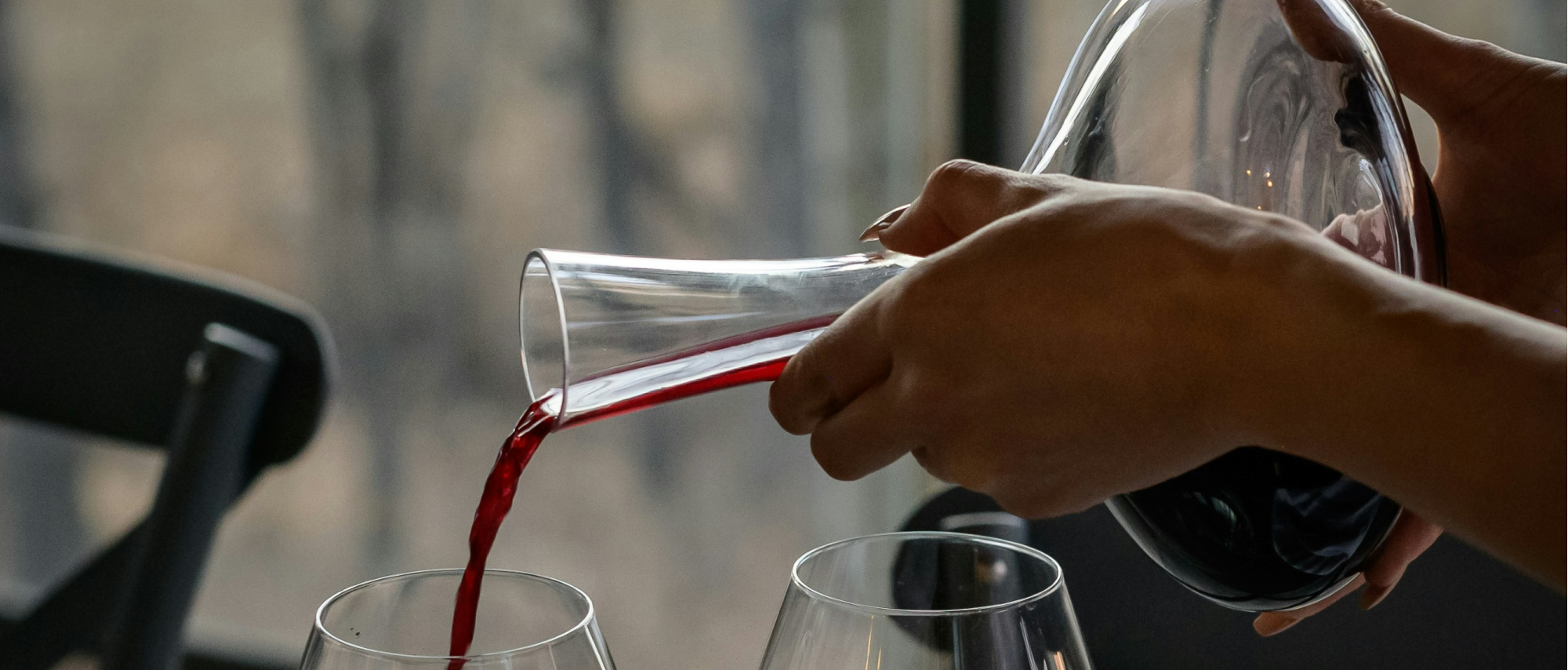
Some young reds need quite some time in a carafe. You can think of Barolo, Bordeaux and Syrah when the structure is too firm and the fruit are still hiding. It’s recommended to give them six to eight hours of rest in the decanter. Taste along the way and stop when the wine feels complete.
Other grapes, such as Grenache, Pinot Noir and delicate wines, are naturally transparent and do not want much air. A short splash or no decant at all works better because they change so quickly. This is about structure, not rules.
What about vintage wine?
Older bottles carry history and sediment. We almost never decant them to “wake them up”. If a mature wine is already fragile, forcing oxygen on it will let the fruitiness fade. We decant only to separate the sediment: slow, steady and with a lit candle under the neck. You can stop pouring as soon as the sediment reaches the shoulder of the bottle.
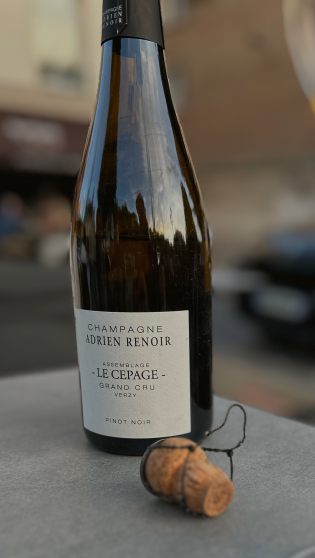
There are a few exceptions. We sometimes give vintage Champagne a gentle decant to release trapped aromatics and soften a firm mousse. We also do this with bold young whites that feel tight and reductive out of the fridge. The goal is not drama, it’s balance.
A quick cheat sheet
Sparkling
- Decant almost never.
- Exception: vintage Champagne for clarity or aromatics, pour gently.
White
- Young and crisp: short 30 minutes.
- Mature whites: usually no decant. Protect the nuance.
Red
- Young bold reds: 1 to 3 hours.
- Young light reds: up to 1 hour.
- Vintage reds: at most a careful pour off sediment.
- Special case: young Nebbiolo often thrives with 5 to 8 hours.
Use this as a guide. We often taste and adjust as we please.
How to decant well
- Set the goal. Do you want to soften tannin, lift aroma, or separate sediment? Choose the method that fits the goal.
- Taste first. Pour a small splash and try it. You set a baseline.
- Choose the vessel. Wide base for firm young reds. Narrow carafe for light reds or whites that only need a nudge.
- Control temperature. Warm wine blurs. Cool wine hides. Keep reds around 16 to 18°C. Keep whites around 8 to 12°C. Adjust as you go.
- Time it. Start with the cheat sheet. Taste every 30 to 60 minutes for long decants.
- Stop at peak. When texture relaxes and the finish lengthens, you are there. Let’s serve.
Common situations and fixes
- Red wine smells muted or closed. Decant into a wide carafe. Swirl briefly. Give it 30 minutes and retaste.
- Young Barolo feels sharp and bony. Plan ahead. Six hours often turns angles into curves.
- Pinot Noir loses perfume in a decanter. Pour back into the bottle after a quick splash. Serve from the bottle.
- White Burgundy shows matchstick notes from reduction. A short decant and a few gentle swirls can clear the smoke and reveal fruit.
- Old Bordeaux throws heavy sediment. Stand the bottle upright for a day. Decant slowly with a light under the neck. Stop early rather than late.
Serving in company
At home, we decant because we share bottles. Guests sit, plates arrive and in large company you only pour once from the same bottle. That glass has to be ready. Long, slow evolution in the glass is a beautiful practice, but it does not match how most people drink around a table. Decanting bridges that gap.
A note on glassware
You can skip a decanter and still help a wine by using a larger bowl glass. Surface area matters. If you do decant, keep pours modest so each glass has space to breathe.
Frequently asked questions
Does decanting fix a flawed wine?
No. Oxidation, cork taint and major faults do not improve with air. Decanting only shapes texture and opens aroma.
Should I always decant expensive wine?
Price does not decide. Structure does. Follow the guide and your senses.
Can I over-decant?
Yes. If fruit fades and the wine tastes thin, you went too far. For delicate wines, pour back into the bottle once you reach a sweet spot.
The takeaway
Decanting is about intent. If you have hours to let a wine evolve in the glass, enjoy the slow reveal. When you share with friends and everyone gets one glass, make it right from the start. That is how we drink.
In the end, a decanter is more than a tool. It is a small ritual that respects craftsmanship and makes your table feel considered. Use it when it helps. Skip it when it does not. The wine will tell you.
Follow us on Instagram
Go to profile


Free insured shipping
On all orders over 190€

Quality guarantee
14 days returns for unopened bottles
Preserved wines
Climate controlled warehouse

Free storage
For all those without a wine cellar