
Single Vineyard vs Blends
Wine Myths Busted: Are Single-Vineyard Wines Always Better Than Blends?
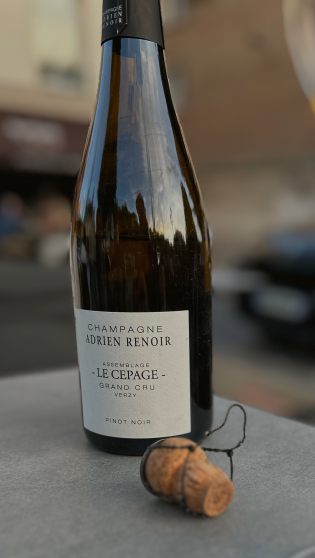
In the world of fine wine, few ideas are repeated as often as this: single-vineyard wines are superior. Bottles proudly labeled with a specific vineyard often command higher prices and are treated as the ultimate expression of terroir.
But the truth is more nuanced.
Some of the world’s greatest wines are single-vineyard expressions. Others are masterful blends that achieve depth and balance impossible from one site alone. Both approaches can produce extraordinary wines, and both exist for very good reasons.
So when should you choose a single-vineyard wine, and when does a blend make more sense?
Understanding the Difference
Single-Vineyard Wines: Precision and Place
Single-vineyard wines are made from grapes grown in one specific vineyard site. The goal is simple: to capture the unique character of that place as purely as possible.
Every vineyard has its own combination of soil, elevation, exposure to sunlight, and microclimate. When a site is truly exceptional, a single-vineyard wine can express that identity with remarkable clarity.
These wines often feel precise, distinctive, and deeply personal. Like a solo musician performing with complete focus.
Single-vineyard wines tend to:
-
Highlight a unique terroir with strong identity
-
Showcase site transparency and precision
-
Express vintage variation more clearly
-
Offer a linear, focused style of wine
-
Provide insight into the personality of a specific vineyard
A famous example is Bartolo Mascarello’s Monprivato, one of the most iconic vineyards in Barolo. Wines from Monprivato are instantly recognizable for their elegance, structure, and unmistakable expression of Castiglione Falletto’s terroir.
When the vineyard itself is extraordinary, a single-vineyard wine can be one of the purest experiences in wine.
Blends: Balance and Complexity
Blends follow a different philosophy.
Instead of focusing on a single site, the winemaker combines grapes from multiple vineyards, parcels, or sometimes even grape varieties. The goal is to build a wine that is more complete than any single component.
Different vineyards bring different strengths? Structure from one site, freshness from another, aromatics from a third. Through blending, these elements come together into a balanced whole.
If single-vineyard wines are like a solo musician, blends are more like an orchestra: layers of sound working together to create a richer composition.
Blends often:
-
Balance strengths and weaknesses across sites
-
Smooth out vintage variation
-
Build complexity through layering
-
Achieve consistency and longevity
-
Offer greater harmony in the final wine
One of the world’s most famous examples is Vega Sicilia Único. Although Tempranillo is the dominant grape, the wine traditionally includes Cabernet Sauvignon, adding structure and depth to the vibrant freshness of the Tempranillo. The result is a wine that is powerful, complex, and incredibly age-worthy.
Here, blending is not a compromise. It is the very reason the wine achieves its greatness.
Which Should You Choose?
The answer depends on what kind of experience you are looking for.
Choose single-vineyard wines when you want to explore the personality of a place. Tasting different parcels side-by-side in regions like Burgundy, Barolo, or Champagne can reveal how dramatically terroir shapes wine.
Choose blends when you want harmony, depth, and balance. Many legendary wines, from Bordeaux to Rioja to Ribera del Duero, are built through careful blending that brings together the best characteristics of multiple vineyards or grape varieties.
Both approaches represent mastery. Both can produce wines of extraordinary beauty.
Some wines are like a Lang Lang piano recital. Precise, intimate, and focused on one voice.
Others resemble the Vienna Philharmonic Orchestra. Layered, grand, and symphonic.
The magic of wine lies in the fact that both interpretations can be equally magnificent.
Follow us on Instagram
Go to profile


Free insured shipping
On all orders over 190€

Quality guarantee
14 days returns for unopened bottles
Preserved wines
Climate controlled warehouse

Free storage
For all those without a wine cellar