
Wine on fire
When fire reaches wine country
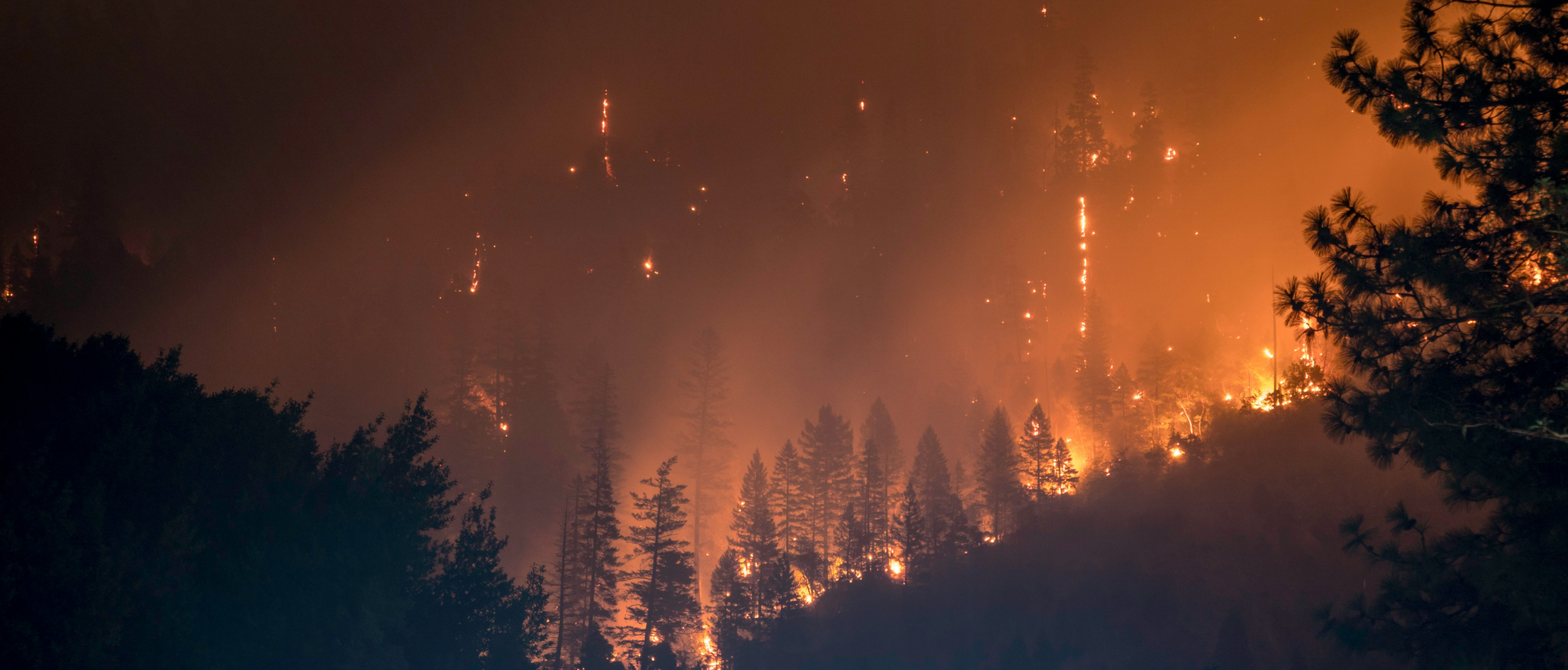
Across Europe, and in several wine regions around the world, fire has once again become part of the growing season.
In France, Spain and Greece, wildfires have destroyed large areas of forest, farmland and rural communities. Near Bordeaux, the flames have not directly consumed the region’s most famous vineyards, but they have burned through the wider landscape around one of the world’s great wine areas. In Spain, fires have hit provinces such as León, Zamora and Castellón. In Greece, regions around Attica, Boeotia and Evia have faced evacuations and extreme fire risk. Beyond Europe, British Columbia’s Okanagan area, one of Canada’s key wine regions, is also living with serious wildfire pressure.

For wine, the damage is not always visible at first.
When vines burn, the loss is immediate and brutal: destroyed vineyards, damaged cellars, lost equipment, broken landscapes and years of work gone in a few hours. But often, the more complicated threat is smoke. Grapes can absorb compounds from wildfire smoke, especially close to harvest. These compounds may later appear in the wine as smoke taint: aromas and flavours of ash, burnt wood, medicinal smoke or a bitter, drying finish.
California showed the world how serious this can be. In 2020, wildfires across Napa and Sonoma forced several producers to skip wines entirely, declassify lots or make extremely difficult decisions about what could still be bottled. The problem is that smoke taint is not always obvious immediately. A wine can look normal in the cellar, then reveal more smoke character during fermentation, ageing or even after bottling.
This is why fire has become one of the most worrying climate risks for fine wine. It is not only about heat. It is about drought, early harvests, lower acidity, stressed vines, smoke exposure, uncertain quality and, in the worst cases, complete crop loss.
And yet, vineyards can also be part of the solution. In some landscapes, well-managed vines can act as firebreaks, slowing the movement of flames where forest or dry scrub would burn more aggressively. Wine regions are vulnerable, but they are also deeply tied to the way we manage land.
Because wine has always reflected the place and year it comes from. Increasingly, that also means reflecting the climate challenges of its time.

For winemakers, this also changes the entire rhythm of the year.
Harvest is no longer a fixed seasonal ritual, but a moving target. In Champagne, producers are preparing for one of the earliest harvests on record, with picking expected to begin around mid-August in some areas and marketable yields reduced after heat and drought pressure. Burgundy and Bordeaux are also facing earlier harvests and smaller crops, while some French regions are seeing grapes picked almost a month ahead of old norms.
For growers, that means difficult decisions: pick early to preserve acidity, wait for phenolic ripeness and risk higher alcohol or smoke exposure, adapt canopy management, protect young vines from drought, and make faster choices in the cellar when fruit arrives under stress. The work becomes less predictable, more expensive and more emotionally demanding. A vintage like this is not only a climate story. It is a human one too.
Follow us on Instagram
Go to profile


Free insured shipping
On all orders over 190€

Quality guarantee
14 days returns for unopened bottles
Preserved wines
Climate controlled warehouse

Free storage
For all those without a wine cellar