
Wine serving temperature: the quiet factor that changes everything
Temperature can make a great bottle feel clumsy or electric. Get it right and aromas lift, tannins relax, and the finish stays clean. Get it wrong and fruit hides or alcohol shouts. Here’s a clear guide you can use tonight.
Where the “room temperature red” myth began
The rule comes from stone houses and cellars where rooms sat around 16–18°C. That suits most reds. Modern homes run warmer. At 21–24°C many reds taste soupy and hot. Cool them a little and structure returns.
The sweet spots
-
Sparkling
Pour at 8–12°C. Chardonnay-led cuvées sit lower in this temperature range. Pinot-heavy wines show better a touch warmer. -
Crisp whites
Serve at 7–10°C. Think Riesling, Sauvignon Blanc, most rosé. -
Fuller whites
Aim for 10–14°C. Great for Chardonnay, Chenin, white Rhône, top Grüner. -
Light reds
Best at 12–14°C. Pinot Noir, Gamay, Frappato gain definition here. -
Bold reds
Land at 16–18°C. Barolo, Bordeaux, Syrah feel complete without heat.
Treat these as ranges. Your palate decides the final click.
Quick fixes without special gear
-
The 20/20 habit
From a household fridge, take whites out 20 minutes before serving. Put room-temperature reds in for 20 minutes before you pull the cork. -
Glassware control
Warm glasses mute freshness. Rinse with cool water for whites and sparkling. For reds, neutral water and a dry polish keep the bowl close to target. -
Decanter temperature
If a red needs air but the room is warm, place the decanter in an ice bath for 10–20 minutes. You soften tannin and keep lift. -
Microadjustments
Wine feels heavy? Chill the bottle for 10 minutes.
Wine feels mute? Let it sit on the table for 5–10 minutes and swirl. -
Know your fridge
Most household fridges sit near 4°C. A 750 ml bottle rises about 1–2°C every five minutes on a counter. Use that to creep into the right zone.
Signs you are in the pocket
- Aromas are clear as soon as you pour.
- The mid-palate feels shaped, not flat.
- The finish is long and clean rather than hot or bitter.
Common mistakes we see
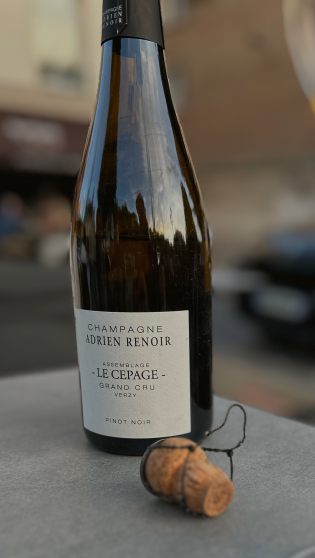
- Champagne served ice cold. At 4–6°C the mousse is hard and the nose is silent. Let it warm slightly and the wine shows detail.
- Big reds at living-room heat. Alcohol jumps out. A short chill restores focus.
- Whites straight from the fridge to the table for an hour. They drift warm and lose edge. Park them back on a cold surface between pours.
Entertaining made simple
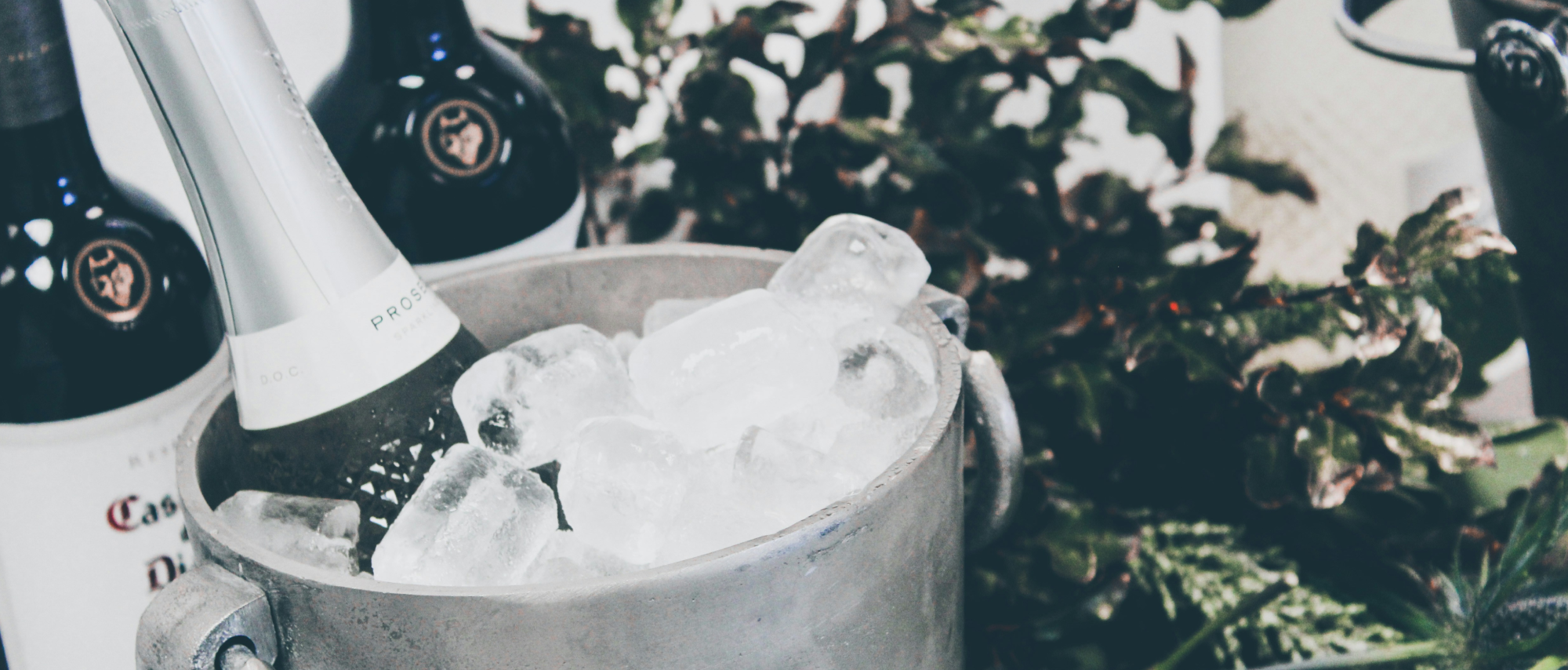
Set three zones before guests arrive: one bucket with ice water for sparkling and crisp whites, one cool sleeve for fuller whites, and one short stint in the fridge for reds that spent the day on the counter. Pour small glasses and refresh often. Everyone gets the wine at its best.
The takeaway
Temperature is quiet craft. You do not need a wine fridge to get it right. Aim for the ranges, make small adjustments, and taste as you go. Your bottles will feel more precise, your meals will taste better, and your cellar will seem smarter overnight. At Peak Wines, we store cold and ship with care so you start from the right place. You finish the job at the table.
Follow us on Instagram
Go to profile


Free insured shipping
On all orders over 190€

Quality guarantee
14 days returns for unopened bottles
Preserved wines
Climate controlled warehouse

Free storage
For all those without a wine cellar